This post contains affiliate links. Please see our disclosure policy.
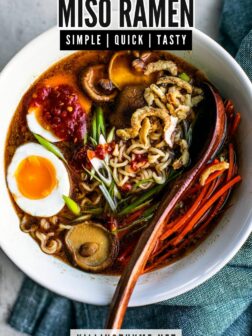
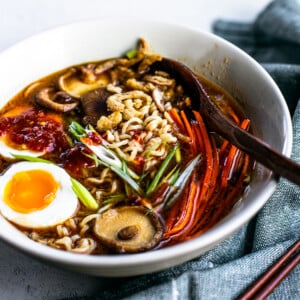
This Miso Ramen is packed with flavor and it’s the perfect bowl of comfort. Best of all, it’s super easy to make at home!
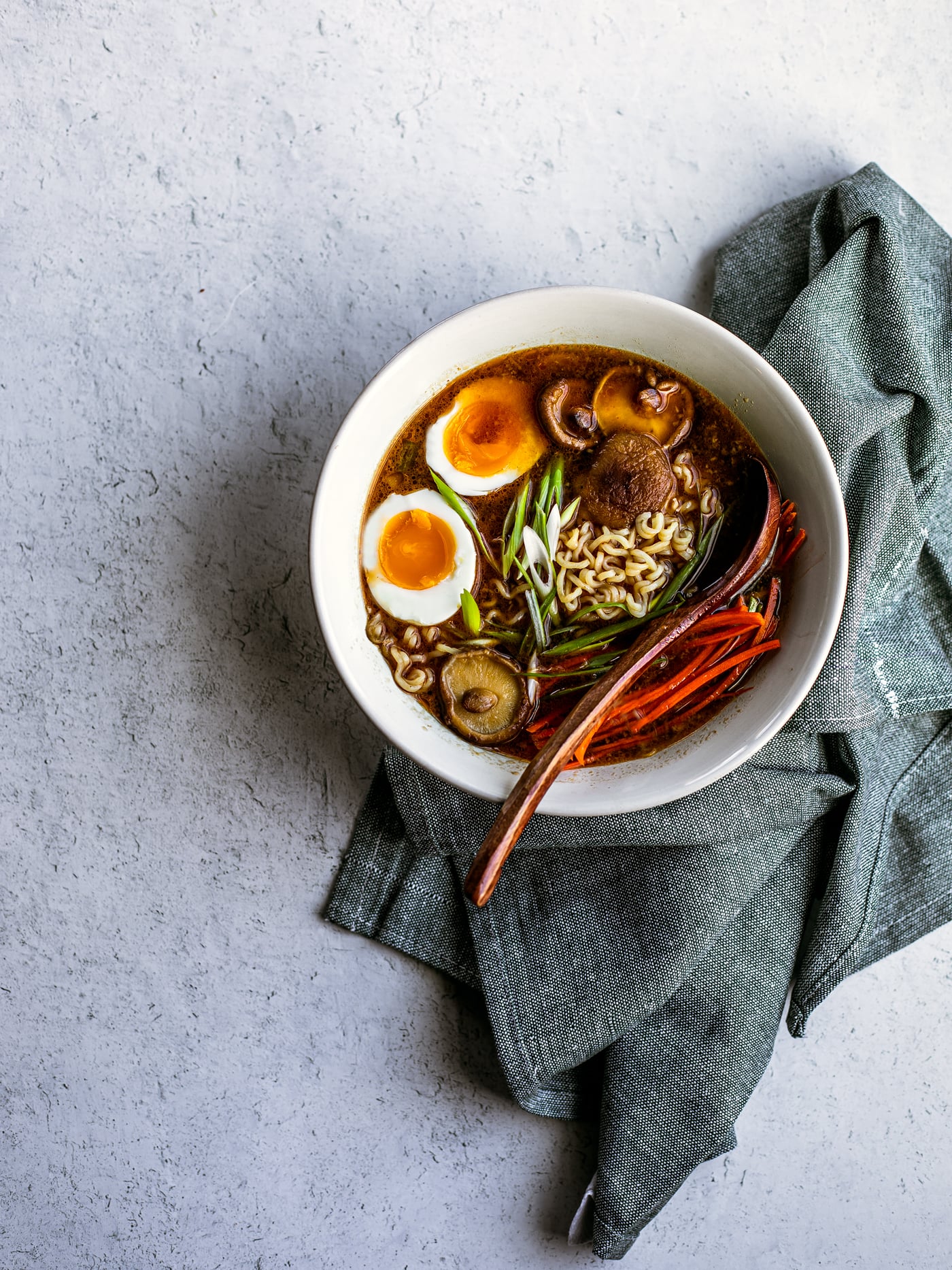
Soup for the Soul, and the Gut!
A delicious bowl of soup with dual purpose.
Like any good bowl of Ramen, this soup offers up all the comfort you need. But thanks to the Miso broth, it also supports gut health.
Miso is rich in probiotics which helps reduce the risk of inflammatory bowel disease and other issues with the digestive system.
What Is Miso Ramen?
In Japan, there are 3 basic Ramen soup flavors:
- Shoyu (soy sauce)
- Shio (salt)
- Miso (fermented soybean paste)
Miso Ramen broth is made up of miso paste and chicken stock. Because of the miso, the soup has a rich and velvety mouthfeel that brings together a mix of creamy and salty goodness.
It’s incredibly comforting and offers a healthy dose of protein and immune-boosting properties!
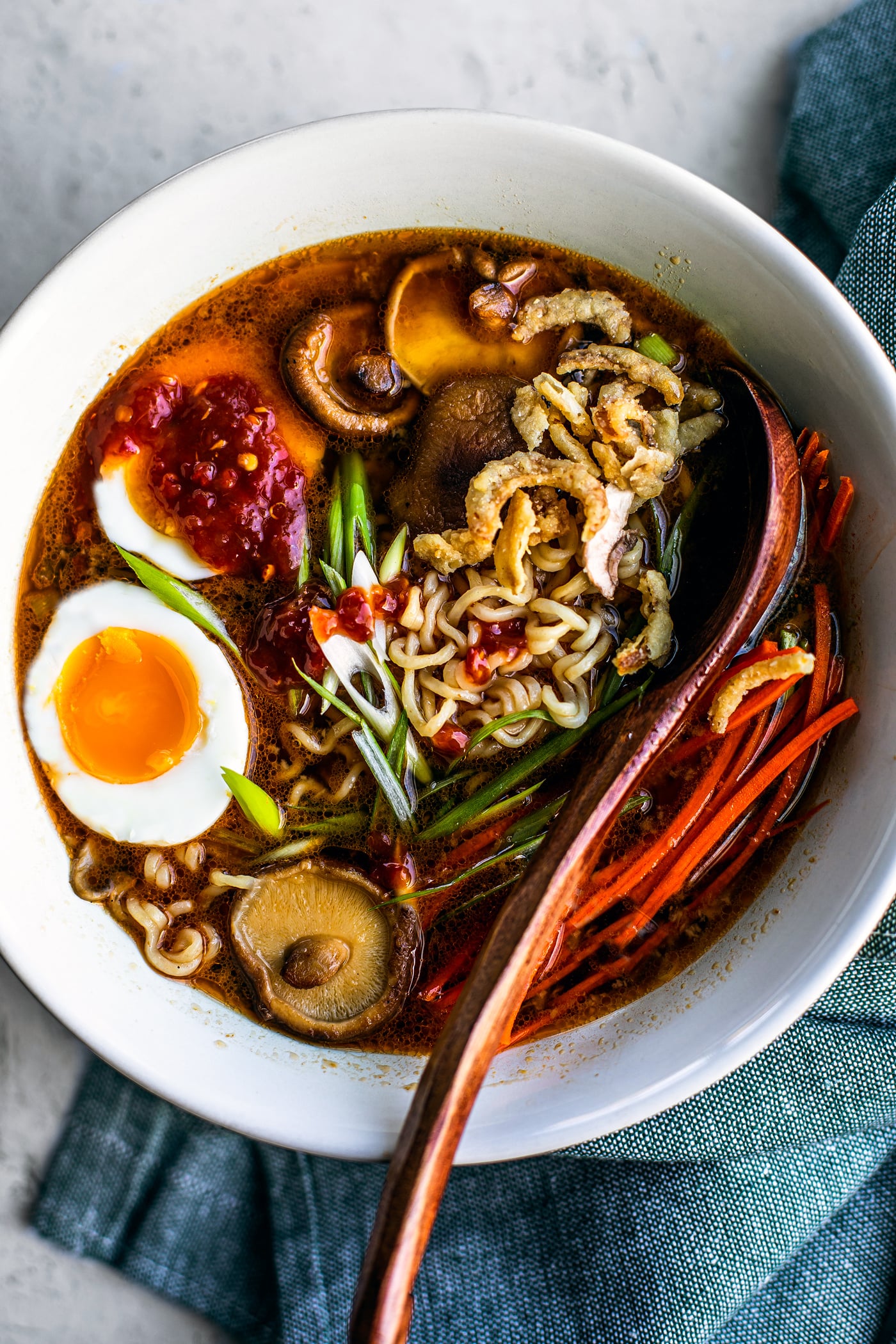
Types of Miso Paste.
In the US and Canada, Miso is categorized by color. The color is indicative of the length of fermentation and the depth of flavor—a paler miso will offer up a mild flavor whereas a darker miso is more concentrated.
Here’s a bit of a rundown:
White Miso (Shiro Miso)
This variety is made with less soybeans and a higher concentration of koji.
It has a pretty short fermentation period and is described as mild and sweet, which makes it ideal for soups, marinades, or vinaigrettes.
Yellow Miso (Shinshu Miso)
This variety is fermented for longer than white miso. It also contains more soybeans and barley.
As far as flavor goes, it’s definitely saltier and more acidic than white miso, but still acts as a flexible flavoring component in soups, stir-frys, or even compound butter!
Red Miso (Aka Miso)
It goes without saying that this darker variety has been fermented the longest and offers up a very concentrated flavor compared to its lighter counterparts.
It’s salty, tangy, and pungent, but awesome for adding flavor to heartier dishes.
And remember, with this one, less is more!
Mixed Miso (Awase Miso)
This miso offers up a blend of white and red miso so that you can take advantage of the delicate flavor of white miso with the richer, punchier taste of red miso.
It acts wonderfully as a multipurpose flavoring and it very popular in Japanese cooking because it’s so flexible.
The Ingredients You’ll Need
When it comes to building a Ramen bowl, I’m all about you having some of your own creative input.
There are a variety of ingredients that are suitable toppings for Ramen soup, and part of the fun is deciding on these for yourself!
I’ll list the important stuff, like what it takes to make the broth, and then I’ll list some suggestions for toppings.
Here’s what you’ll need:
- Ramen noodles (fresh are best, but Instant is fine)
- Garlic
- Shallot
- Sesame seeds
- Sesame oil
- Chili bean paste (La Doubanjiang)
- Miso paste (I use Awase here)
- Sugar
- Vegetable broth
- Sea salt
- White pepper
Ramen bowl toppings:
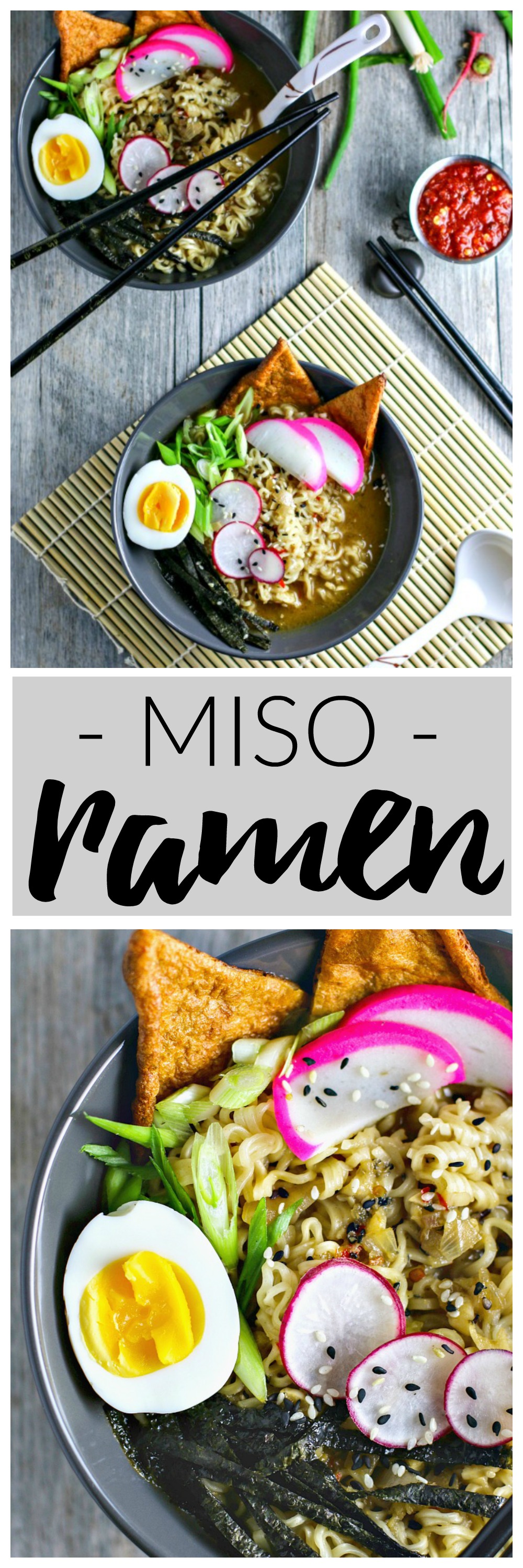
- Soft-boiled egg
- Fish cakes
- Scallions
- Nori (dried seaweed)
- Chili sauce, like Sriracha or Sambal Oelek
- Corn
- Carrots
- Sesame seeds
- Cooked bok choy
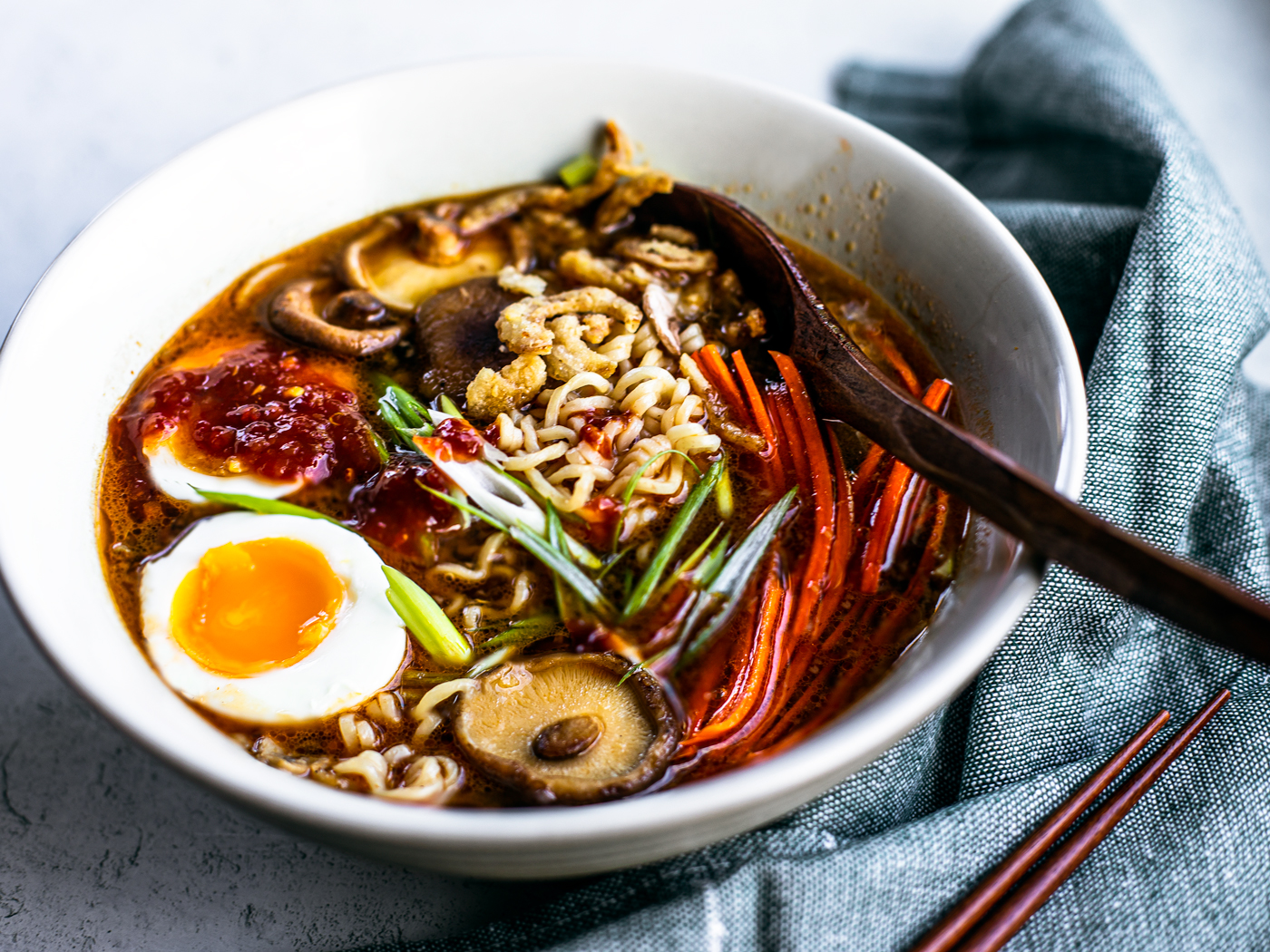
How to Make Miso Ramen.
Ramen bowls are complex in appearance, and sometimes the grocery list can look a little intimidating if you’re unfamiliar with cooking Japanese dishes at home.
But let me assure you that it’s easy, and you can totally do it!
Here’s what you’ll do to make this Miso Ramen:
- In a medium saucepan, heat the sesame oil over medium-high heat.
- Add the garlic, ginger and shallot, and sauté everything until fragrant—about 2 minutes. Stir often to avoid burning.
- Bring the spicy bean paste, miso paste, and sugar to the pot, and stir to combine everything well. Then add the sake, vegetable broth, sea salt, and white pepper.
- Bring everything to a boil, then lower to a simmer and let it simmer for about 10 minutes. In the meantime, get your Ramen toppings ready!
- Cook your noodles as per the instructions on the package, then drain them well and place them into bowls.
- Ladle the broth over the noodles, add your toppings, and dig in!
Useful Tools for This Recipe:
- Sharp knife
- Cutting board
- Measuring cups and spoons
- Microplane
- Spoon or spatula
- Saucepan
- Soup ladle
- Ramen bowls set
Recipe Tips + Tricks.
- When choosing your Miso paste, remember that the darker the color, the more concentrated the flavor is. You’ll want to keep this in mind when adding miso paste to your broth. If you’re using darker miso, less is more, so add small amounts at first.
- For a nice and jammy soft-boiled egg, place an egg into a saucepan filled with water and bring it to a boil. Let the egg boil for 3-5 minutes, depending on how jammy you want it.
- To toast sesame seeds, put them in a dry pan and let them heat up over medium-low. Keep a close eye on them, shaking the pan every 30 seconds or so. When the sesame seeds are fragrant and toasty, they’re done.
Have You Made This Recipe?
If you enjoyed this recipe, please consider leaving a STAR rating & commenting below with feedback!
You can also show off your creations on Instagram by tagging @killing__thyme
More Soups You’ll Want to Slurp:
Miso Ramen
Ingredients
Miso Ramen.
- ¾ lb fresh Ramen noodles or 2 packages of instant Ramen
- 2 cloves garlic, minced
- 1 tbsp freshly grated ginger
- 1 shallot, minced
- 1 tbsp sesame seeds
- 1 tbsp sesame oil
- 1 tsp Chili Bean Sauce/Paste (La Doubanjiang)
- 3 tbsp miso paste, *See notes
- 1 tbsp sugar
- 1 tbsp sake
- 4 cups vegetable broth
- 1 tsp sea salt
- ¼ tsp white pepper
Toppings to consider.
- Fish cakes
- Soft-boiled egg
- Sliced scallions
- Nori (dried seaweed)
- Radishes
- Sesame seeds
- Chili sauce, Sriracha or Sambal Oelek
- Corn
- Carrots
- Cooked bok choy, Pan-fried, grilled, or steamed
Instructions
- Heat the sesame oil over medium-high heat in a medium-sized saucepan.
- Bring the garlic, ginger and shallots to the saucepan and sauté everything until fragrant—about 2 minutes—stirring often.
- Add the spicy bean paste, miso paste, and sugar to the pot. Stir to combine, then add the sake, vegetable broth, sea salt, and white pepper.
- Bring the soup to a boil, lower heat to a simmer, and let it go for about 10 minutes. Meanwhile, get your Ramen toppings ready.
- Cook your noodles as per the instructions on the package, drain, and place them into bowls. Ladle the broth over the noodles, add your toppings, and dig in!
Notes
- Miso paste: the darker the color, the more concentrated the flavor. Keep this in mind when adding it to your broth.
- Soft-boiled egg: put an egg into a saucepan filled with water and bring it to a boil. Let the egg cook for 3-5 minutes, depending on how jammy you want it.
- Toasted sesame seeds: pop them into a dry pan and let them heat up over medium-low, shaking the pan every 30 seconds or so. When the sesame seeds are fragrant and toasty, they're done. Watch them closely, or they'll burn.


I made this ramen for dinner last night and my family devoured it! So flavorful and delicious!
Love all the flavors and textures in this homemade miso ramen. It’s comfort food at it’s best.
I’ve been wanting to make my own ramen for years. Thrilled to find this recipe and already have my grocery list ready to go!
The best ramen. My hubby has asked for it again soon!
Beautiful! I love the ingredients and appreciate your tips and suggestions. Another winner from the amazing Dana. Thank you for sharing!
Absolutely delightful Asian inspired soup! I refuse to eat ramen any other way now!
This ramen is a favorite in our house lately! I’ve made it several times and my whole family loves it!
I made this miso ramen for dinner last night and my family loved it! Definitely a new favorite in our house!
This is so comforting on a cold winter’s day and filled with so much good stuff! So many good-for-you ingredients in one bowl.
Absolutely!